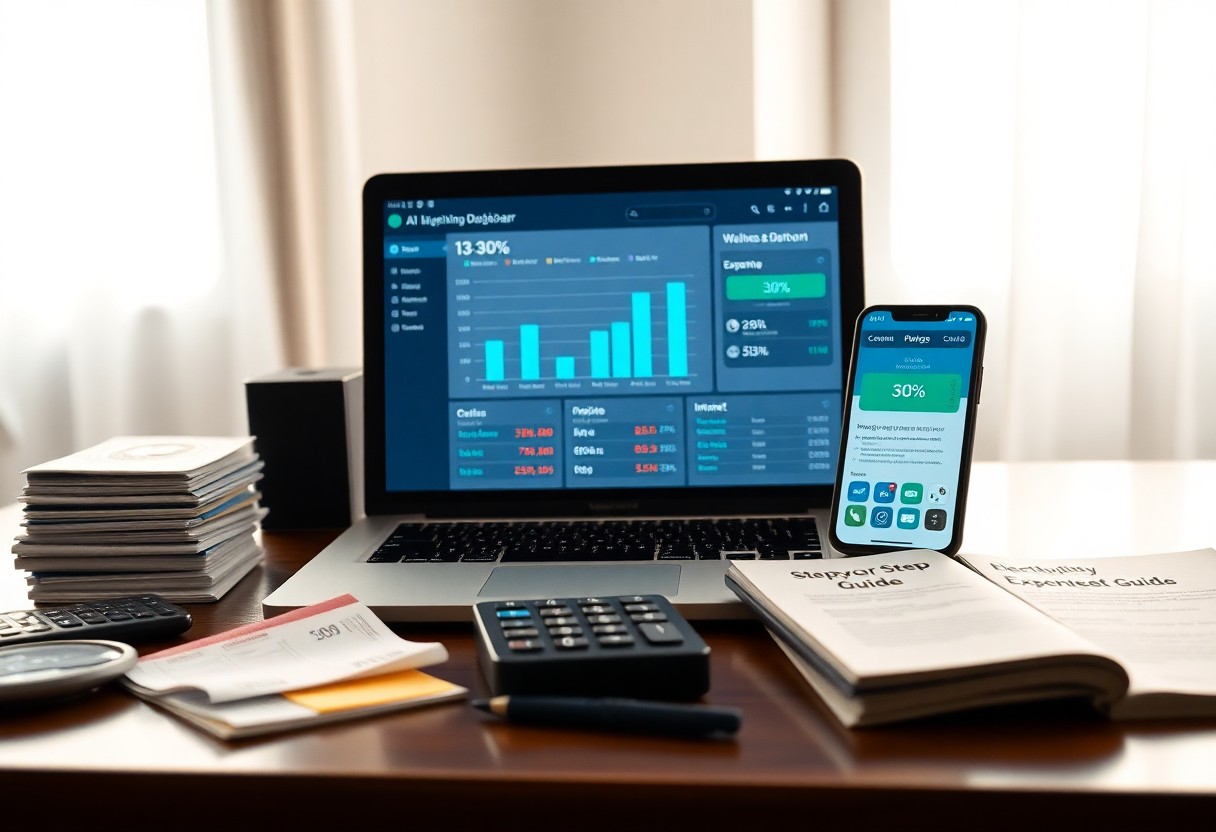

Audit Personal Finances
You run an inventory of income, bills, subscriptions and debts to find waste; spot unauthorized charges and identify recurring savings that can cut monthly costs by about 30%.
Sync Bank Accounts
You connect all bank and credit accounts to your budgeting AI with read-only access so the tool tracks every charge and alerts you to fraud or duplicate payments.
Categorize Every Transaction
You label each purchase automatically or manually, grouping imperatives, wants, and subscriptions so the AI can flag overspending and recommend cuts.
You refine categories weekly, merge misclassified items, set rules for recurring transactions, and watch the AI surface avoidable fees, subscription leaks, and savings opportunities.
Eliminate Ghost Subscriptions
You use AI to find and remove forgotten subscriptions that silently drain your cash, reclaiming monthly funds and reducing recurring charges for immediate impact.
Scan Recurring Bills
You let AI scan your bank and card statements to find hidden fees, tag trials and micro-subscriptions, and produce a clear list so you can decide what to cancel.
Cancel Underutilized Services
You cancel subscriptions with low usage based on AI reports, stopping payments for idle plans and unlocking immediate savings with minimal hassle.
You evaluate each service by frequency, cost-per-use, and available alternatives, then use AI to schedule cancellations or downgrades; watch for early termination fees to avoid surprise charges; prioritize high-cost, low-use subscriptions first for the fastest monthly impact.
Negotiate Utility Rates
You can cut monthly utility bills by using AI-crafted scripts to negotiate rate reductions, uncover hidden fees, and claim provider discounts for savings up to 30%.
Negotiation Steps
| Step | Action |
| Prepare | AI builds script with account data |
| Call/Chat | Use script to request lower rate |
| Escalate | Ask retention for better offers |
Deploy Negotiation Bots
You deploy negotiation bots to automate chats and calls, personalize scripts per provider, and log outcomes; monitor for account lockouts and ensure human review to maintain consistent savings.
Bot Capabilities
| Feature | Benefit |
| Script A/B | Optimizes offer success rates |
| Scheduling | Follows up automatically |
| Audit Trail | Keeps compliance records |
Compare Competitor Pricing
You compare competitor pricing with AI scraping and price models to spot intro rates, contract traps, and better offers; prioritize annual cost and cancellation penalties.
Comparison Checklist
| What | Why |
| Base rate | Shows true monthly cost |
| Promotions | Identify temporary discounts |
| Contract terms | Reveal hidden penalties |
You build a price matrix to compare per-unit rates, taxes, and promotional periods; set AI alerts for expiring deals and act fast to secure maximum savings.
Action Items
| Action | Tools |
| Scrape offers | AI crawler |
| Score plans | Cost model |
| Alert | Email/SMS notifications |
Optimize Electricity Usage
You can cut electricity bills by using AI to schedule loads, avoid peak pricing, and monitor wastage; automated schedules and simple behavior changes can reduce costs by up to 30% when combined with other measures.
Use Smart Thermostats
You should use smart thermostats to learn your patterns, adjust setpoints when you’re away, and lower HVAC runtime; AI-driven routines can cut heating and cooling bills while keeping comfort within your preferred range.
Track Real-Time Consumption
You can install smart meters or plugs that show live usage so you spot waste, compare appliance draws, and respond to rate spikes; set real-time alerts to avoid expensive peak periods and unexpected overconsumption.
You should link real-time data to an AI analytics app to detect phantom loads, predict costly spikes, and recommend timed appliance use; alerts on high draws and unexpected spikes prevent bill shocks and help you realize sustained energy savings.
Lower Food Costs
You can cut food bills by using AI to plan meals, find deals, and reduce waste. Use apps to track prices and convert leftovers into recipes. Watch for hidden fees and expired items that inflate costs; aim for 30% savings.
Generate Budget Menus
You feed grocery lists into AI to create weekly menus using on-sale ingredients while meeting dietary goals. AI highlights cost-per-serving, suggests cheaper substitutes, and minimizes waste by reusing ingredients across meals. That approach lowers bills without sacrificing nutrition.
Compare Grocery Prices
You use AI price-comparison tools to scan local stores, coupons, and online promotions in seconds. AI flags the best deals, warns about price traps, and estimates total cost per recipe so you choose the cheapest option.
You should compare unit prices, factor in delivery or membership fees, and watch dynamic discounts that may be temporary. Use AI alerts to track price drops and avoid stores with hidden charges that erase savings.
Compare Grocery Prices: Quick Guide
| Unit price | AI compares price per weight or serving so you spot the best deal. |
| Fees & membership | AI totals delivery and membership charges to reveal true cost; avoid hidden fees. |
| Promo limits | AI checks coupon limits and expirations to prevent wasted purchases from expired promos. |

Reduce Insurance Premiums
You can cut insurance costs by using AI to compare policies, adjust deductibles, and spot discounts; AI alerts can reduce premiums by finding savings while flagging coverage gaps. Use automated comparisons and avoid underinsuring.
Automated Quote Comparison
You feed your coverage needs and AI scans multiple carriers, producing side-by-side quotes and highlighting cheaper options and hidden fees. Use it to compare in minutes and capture better rates.
How AI Reduces Insurance Costs
| Automated comparisons | Review top matches and pick the best rate |
| Risk modeling | Adjust limits/deductibles based on predicted claims |
| Discount spotting | Apply identified discounts and bundle policies |
| Renewal alerts | Re-shop at renewal to avoid unchecked price increases |
Optimize Policy Limits
You review limits and deductibles with AI that models claim scenarios; lower unnecessary coverage to cut premiums while keeping enough to avoid costly underinsurance. Update when household or assets change.
AI can simulate claim frequency and severity for your profile, showing where higher deductibles or modest limit cuts reduce premiums with minimal risk. Watch for coverage gaps that leave you exposed and consider bundling or endorsements to shore up protection while lowering costs.
Minimize Debt Interest
You can use AI to identify your high-interest accounts, rank debts by cost, and recommend refinancing or payment shifts to cut interest costs, freeing up cash each month.
Find Refinancing Deals
You can have AI scan lenders and credit unions for offers tailored to your profile, compare fees and rates, and flag lower APR options that reduce monthly interest and total cost.
Automate Debt Snowball
You can set AI to follow a debt-snowball: pay minimums, direct extra cash to the smallest balance, then roll payments as each clears; automate payments to avoid missed payments and late fees.
You should list all debts by balance, set minimum autopay, schedule an extra fixed amount toward the smallest, and program AI to increase contributions when income rises; monitor for prepayment penalties and adjust if savings don’t exceed fees. AI can forecast payoff dates and quantify interest savings, keeping you on a faster repayment path.
Monitor Water Waste
You monitor water waste with smart meters and analytics that flag abnormal spikes; you set alerts to catch hidden leaks, cut consumption, and protect against costly damage while achieving measurable savings.
Install Leak Sensors
You install leak sensors near water heaters, under sinks, and by appliances; you receive instant alerts so you can shut off supply and prevent major damage and expensive repairs.
Optimize Outdoor Watering
You optimize outdoor watering by using soil sensors and weather-based controllers to schedule irrigation, reducing runoff and avoiding overwatering that wastes water and money.
You use a smart irrigation controller tied to local forecasts, pair it with soil moisture sensors, and convert beds to drip irrigation for maximum savings. You water in the early morning, group plants by need, and check hoses for leaks to avoid wasted runoff and plant stress.
Maximize Shopping Rewards
You combine loyalty programs, cards, and shopping portals to cut costs; stack rewards for bigger savings. Use AI price trackers to time purchases and watch for privacy risks when apps ask for too much data. You audit accounts regularly to keep rewards consistently profitable.
Activate Cashback Extensions
You install reputable cashback extensions that auto-apply offers and compare rates, saving time and money. Verify extension permissions to avoid data leaks. Let AI rank extensions per retailer so you choose the highest return; small fees can still increase net savings.
Automate Coupon Sourcing
You set AI tools to fetch and test coupon codes at checkout, prioritizing verified deals and expiration checks. Limit frequency to reduce spam and confirm source reputations to avoid fake or malicious links. Proper automation yields steady, hands-free savings.
You pick a reputable coupon aggregator or extension, tighten permissions, and tie it to a separate email to limit exposure. Configure filters for minimum discounts and favorite stores, and instruct the AI to test codes automatically at checkout while logging failures. Monitor link sources and remove tools that request excessive access to prevent data harvesting and malicious redirects. You update extensions, cross-check high-value coupons manually, and maintain a short whitelist to ensure reliable, repeatable savings.
Cut Transportation Costs
You can reduce transportation spending by using AI to plan routes, match carpools, and schedule cheaper rides; expect up to 30% savings and watch for accident risks in unfamiliar routes while choosing options with proven safety records.
Optimize Commute Routes
You can use AI apps to pick fastest, cheapest routes based on traffic, tolls, and fuel use; save time and fuel by shifting departure times and following suggested detours that cut idle time.
Monitor Gas Prices
You can set AI price alerts and compare nearby stations in real time to find the cheapest fill-ups; catch price spikes early and reduce monthly fuel spend with timely refueling.
You should use AI tools that analyze historical and live data to predict short-term price drops, send geofenced alerts when cheap stations are nearby, and combine results with loyalty or cashback offers to maximize savings. You must also verify station ratings and attend to safety: avoid stations with poor reviews or reported pump skimming to prevent vehicle damage or fraud.

Curb Impulse Spending
You can train AI to flag impulse triggers, auto-categorize wants versus needs, and block risky merchants with rule-based pauses. Automated spending caps stop runaway bills, while AI spotting false discounts prevents costly traps.
Set Budget Notifications
You should have AI monitor categories and send alerts when you near limits, suggest transfers, or freeze cards for discretionary spending. Real-time alerts let you act before overspending and cut monthly costs.
Implement Purchase Delays
You can force cooling-off periods with AI by adding timers to carts or delaying checkout approvals for non-crucials, creating friction that reduces impulse buys. Watch for one-click traps and set rules to block instant orders.
You can set tiered delays: small items get 24-hour holds, big-ticket items 72 hours, and AI auto-approves crucials; require re-authentication for discretionary buys. 24-72 hour holds cut impulse spending and reduce regret purchases, but watch that holds may block time-sensitive offers you actually want.
Simplify Phone Plans
You can cut costs by consolidating lines, removing unused features, and choosing plans that match your actual usage. Use AI tools to compare offers quickly; saving up to 40% is possible, but check contract penalties first.
Analyze Data Patterns
You feed your usage history to AI to spot peak data times, unused minutes, and roaming spikes; the AI proposes plans to fit behavior and avoid costly overage fees, increasing your monthly savings potential.
Switch To MVNOs
You should consider moving to an MVNO for lower rates; AI can match carrier coverage and estimate savings. Rates can be 30-50% lower, but verify network compatibility and customer service quality.
You can ask AI to compare MVNOs by coverage, speed tests, and roaming support, then simulate monthly cost. Some MVNOs place you on lower priority during congestion or limit international roaming; expect lower prices but potential slower speeds or reduced support.
Predictive Home Maintenance
Predictive maintenance uses AI to analyze sensor data from appliances and systems in your home, so you can catch faults early, reduce unexpected repairs, and save up to 30% on monthly bills.
Monitor System Efficiency
You can set up AI to track HVAC, water heaters, and electrical loads, alerting you when performance drops and enabling energy savings.
Prevent Costly Breakdowns
You use predictive alerts to schedule repairs before major failures, reducing emergency calls and avoiding expensive replacements.
AI models analyze vibration, temperature, and runtime patterns to predict failures days or weeks ahead, so you can prioritize fixes, schedule technicians, and prevent dangerous events like gas leaks or electrical fires, while cutting repair costs and minimizing downtime.
Maximize Tax Savings
You use AI to identify missed deductions, optimize filing strategies, and flag audit risks; machine analysis increases refund accuracy and reduces tax waste. AI exposes missed credits and potential audits, so you keep more money and avoid surprises at tax time.
Track Deductible Expenses
You let AI auto-categorize receipts and transactions into deductible groups like business, medical, and charitable giving; set custom rules and review summaries before filing. Accurate tagging increases refunds and lowers audit exposure.
Scan Physical Receipts
You photograph receipts and AI extracts vendor, date, totals, and tax info, syncing entries to expense logs and tax software in seconds. Digital copies prevent lost claims and speed audits, saving time and money.
You protect scanned receipts with app encryption and automatic backups; unsecured uploads can cause data breaches and identity theft. Verify OCR accuracy and correct mismatches manually, set retention rules that match tax law, and use secure apps. Encrypt storage and confirm OCR results to maximize savings while avoiding dangerous exposure.
Compare Energy Suppliers
You use AI to scan offers, compare tariffs, and estimate savings across suppliers. Check contract length, exit fees, and renewable percentage. Set alerts for price drops and verify early termination fees to avoid costly surprises.
| Comparison Checklist | |
|---|---|
| Price | Unit rate, standing charge, projected monthly cost |
| Contract | Length, exit fees, renewal terms |
| Service | Supply reviews, complaint handling, outage risk |
| Green | Renewable percentage and carbon claims |
Identify Cheaper Providers
You feed recent usage into AI tools to shortlist lower-cost suppliers, filter by plan type, and see projected monthly savings. Highlight real ongoing rates and flag introductory-only deals that spike after promotions end.
Automate Switching Process
You can authorize switching services to handle notifications and paperwork, schedule the switch, and confirm continuous supply. Keep copies of confirmations and check for any hidden exit fees.
You should verify the switching service’s credentials, grant only necessary account access, and set the switch for your meter read date to avoid billing gaps. Watch for double billing and unexpected termination charges. Proper setup yields hands-free savings while minimizing interruption risk.
Automate Micro-Savings
Automate small transfers from checking to savings so you save without thinking; set weekly rules, spare-change round-ups, or bill-linked deposits. Use alerts to avoid overdrafts. Consistent micro-savings add up and can reduce monthly expenses dramatically.
Enable Purchase Round-Ups
Enable round-up features to move spare cents into savings or an investment account after purchases. You control thresholds and frequency; monitor linked accounts to avoid fees. Round-ups produce painless savings that compound over months.
Move Excess Funds
Set rules to sweep balances above your buffer into high-yield savings or debt payments so idle cash works harder. You preserve a safety cushion while cutting interest costs. Automated moves boost returns or trim debt interest, but check transfer limits and settlement delays.
Choose a buffer equal to one to two months’ bills, adjust sweep frequency, and test with small amounts to avoid missed payments. You should track linked autopay schedules and emergency access. Miscalculated sweeps can trigger overdrafts; set alerts and minimums to protect your accounts.
Streamline Digital Entertainment
You can cut entertainment costs by trimming subscriptions, switching plans, and using AI price trackers. Use smart recommendations to keep only what you watch: cancel unused services and set alerts for limited-time deals.
Consolidate Streaming Apps
You should group overlapping services, pick one hub app, and share family plans. Use AI to scan viewing habits and suggest the single best bundle to save money while avoiding hidden auto-renews.
Locate Free Media
You can find legally free movies, shows, and music via ad-supported platforms, public libraries, and artist releases. Let AI surface safe, legal sources and flag pirated content to avoid risks.
You will use AI-curated lists, RSS feeds, and library apps to track releases and temporary free trials. Check licensing notes and platform reputation; AI can warn about scams, helping you claim free content safely while avoiding copyright risks.
Improve Credit Health
You can use AI to monitor your credit, flag reporting mistakes, and time payments to cut borrowing costs and lower monthly bills.
Identify Reporting Errors
You can run AI audits of your reports to find incorrect accounts, wrong balances, or signs of identity theft, then file disputes with bureaus to fix your score.
Optimize Payment Timing
You can schedule payments before statement closing so reported balances drop, reducing utilization and often boosting your score within a cycle.
You can use AI to map each card’s statement date, set autopay before closing, and receive alerts when balances surge; missed payments or high utilization raise interest costs and damage your score, so automating prepayments prevents costly hits.
Strategize Bulk Buying
You can reduce costs by buying in bulk where AI identifies repeat purchases and price dips; aim for suppliers offering predictable discounts. Use AI to balance order size against storage costs and avoid overstocking. Savings can reach 30%+, but watch perishable waste risk and logistics costs.
Track Inventory Levels
You should use AI-driven sensors and sales data to keep real-time counts, triggering reorder alerts and batch suggestions. Set thresholds to prevent stockouts and excess capital tied up in inventory. Automated alerts save time, stockouts risk sales, and real-time accuracy cuts unnecessary purchases.
Predict Seasonal Sales
You can use AI to forecast demand spikes by season, adjusting bulk orders and promotions ahead of peak periods. Combine historical sales, trends, and local events for better models. Forecast accuracy increases profits, but wrong forecasts cause wasted stock; higher margins follow when timing and buy size are correct.
You feed AI models with historical sales, promotions, pricing, weather, and local event data to capture demand drivers. Retrain models weekly or after campaign shifts, and set confidence thresholds to scale orders-hold safety stock if confidence drops. Watch for model drift and data gaps; overreliance on one model can trigger costly overstock. Use scenarios to test orders and capitalize on higher sell-through during peaks with timed promotions and supplier options.
Review Financial Progress
You review financial progress monthly with AI dashboards showing spending, savings, and subscription changes. Use alerts to flag anomalies. Most important: track net savings versus targets. Dangerous: over-automation can miss billing errors. Positive: sustained 30% reduction signals success and course validation.
Analyze Monthly Reports
You analyze monthly AI reports to spot trend shifts, unexpected charges, and recurring fees. Set thresholds to prioritize fixes. Most important: flag unusually rising bills. Dangerous: ignoring small recurring fees erodes savings. Positive: quick fixes compound into major monthly cuts.
Adjust AI Goals
You adjust AI goals when performance misses targets or spending patterns change. Tighten or relax automation, update budgets, and retrain models. Most important: align AI targets with realistic savings. Dangerous: overly aggressive cuts can remove necessary services. Positive: small tweaks unlock consistent extra savings.
You refine AI objectives by reviewing recent performance, seasonality, and behavior shifts. Modify cost thresholds, cancellation rules, negotiation priorities, and schedule retraining when data drifts. Validate changes on a test subset before full rollout. Most important: keep targets measurable and achievable. Dangerous: overfitting rules to one month causes rollback risk. Positive: iterative tuning often multiplies savings over quarters.
To wrap up
Taking this into account you can use AI to analyze spending, automate savings, negotiate bills, and trim subscriptions, reducing monthly expenses by about 30% when you follow the step-by-step plan.